The Dust Bowl
167 photographs from the Library of Congress
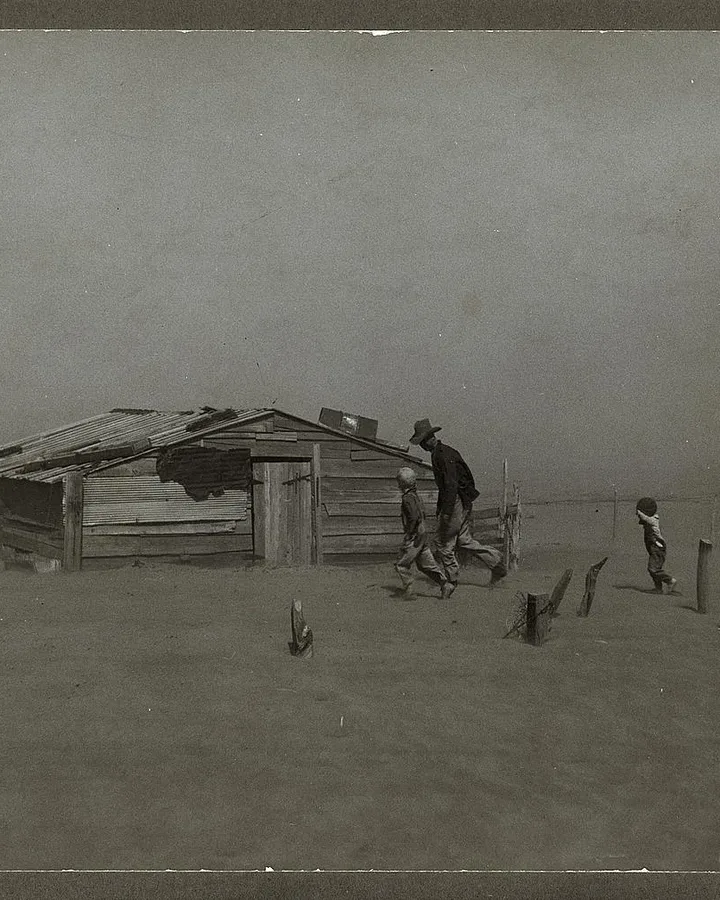
The Dust Bowl was the ecological disaster that struck the southern Great Plains in the 1930s. Years of drought, on prairie that had been plowed up for wheat in the 1910s and 1920s, left the soil bare, and the wind carried it away in storms that blacked out the sun. The worst-hit area took in the Oklahoma and Texas panhandles, southwestern Kansas, southeastern Colorado and northeastern New Mexico. After the great storm of April 14, 1935, Black Sunday, a reporter's phrase gave the region its name.
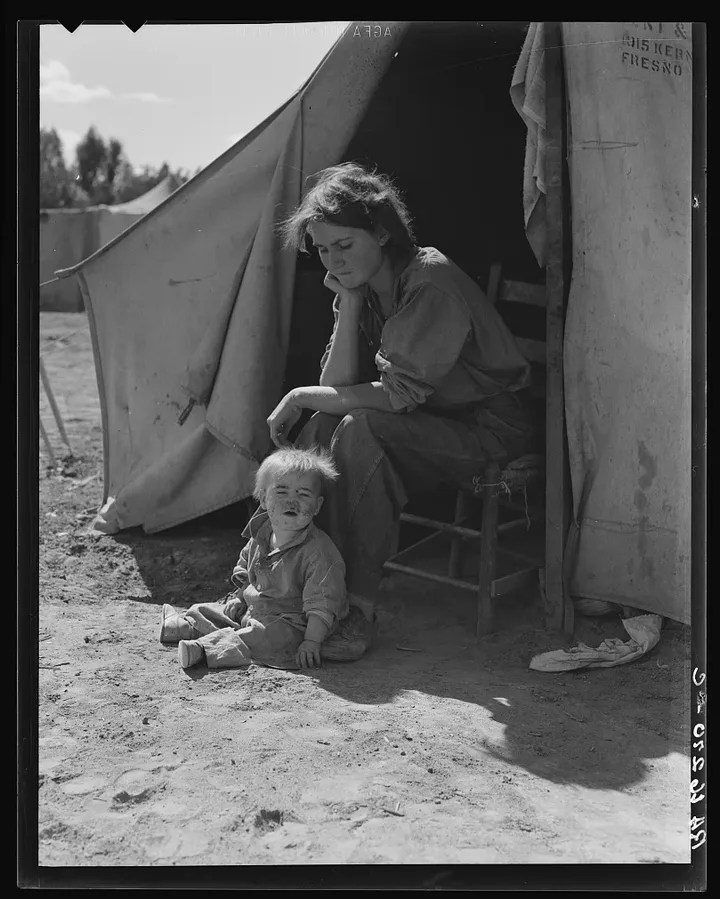
FSA photographers recorded the storms, the buried fences and abandoned farmhouses, and the families who left. Arthur Rothstein's 1936 picture of a farmer and his sons walking into a dust storm in Cimarron County, Oklahoma, and Dorothea Lange's abandoned farm near Dalhart, Texas, are both here, along with Lange's portraits of Dust Bowl refugees on the highways and in the camps of California. See also California migrant camps and migrant workers.
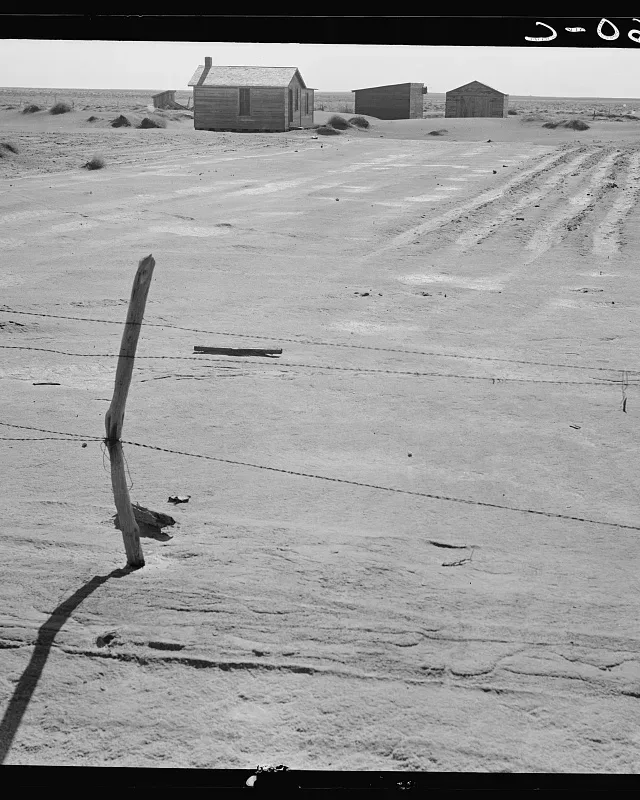
Abandoned farm in the Dust Bowl. Coldwater District, near Dalhart,…
1938
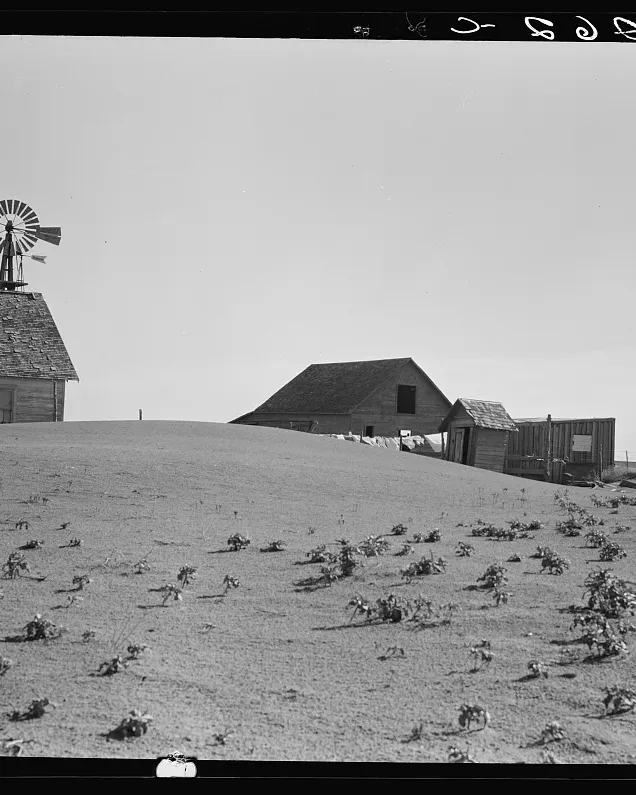
Dust Bowl farm. Coldwater District, near Dalhart, Texas. This farm is…
1938
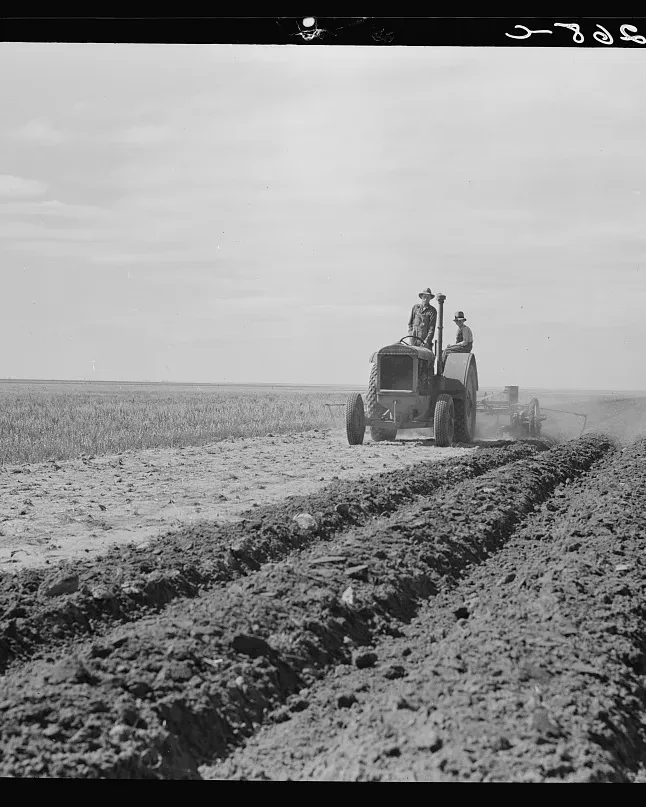
Dust bowl farmer driving tractor with young son near Cland [i.e.…
1938
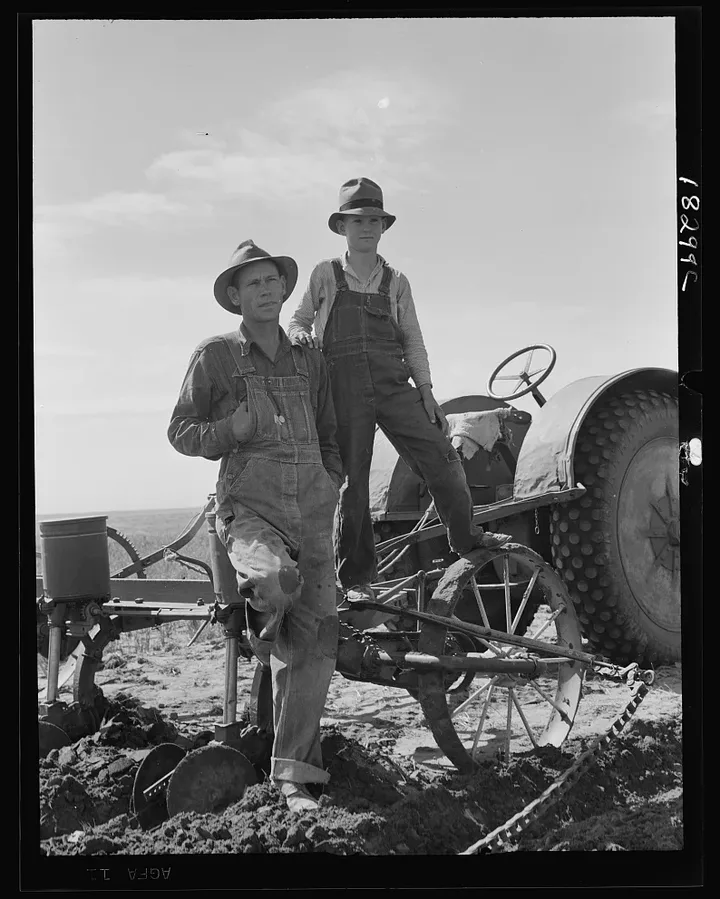
Dust bowl farmer with tractor and young son near Cland [i.e. Claud?],…
1938
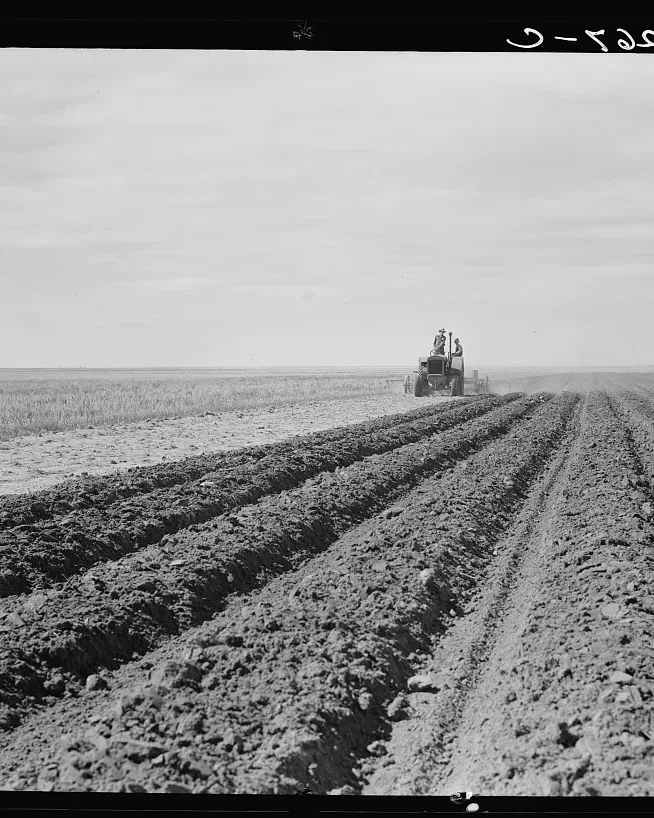
Dust bowl farmer driving tractor with young son, near Cland [i.e.…
1938
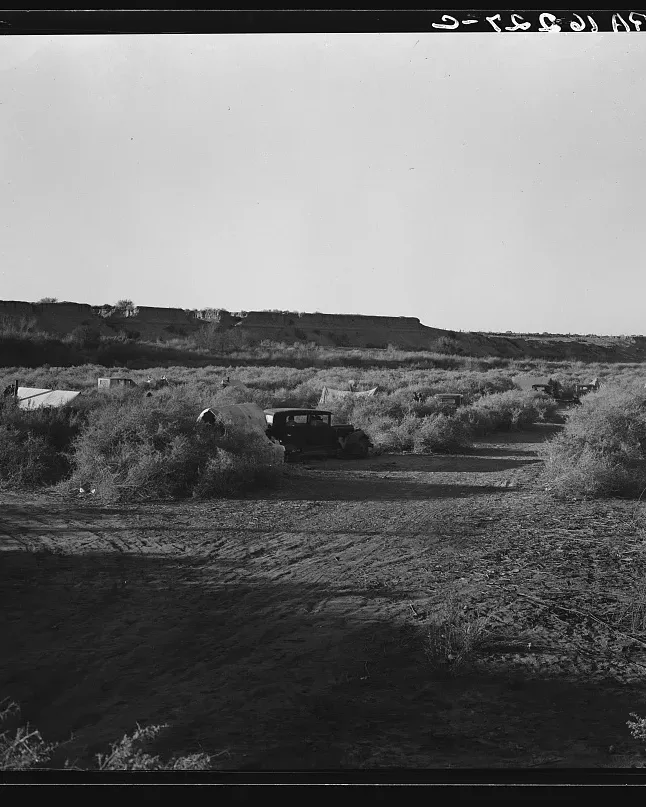
California migratory farm laborers, drought refugees from Oklahoma,…
1937
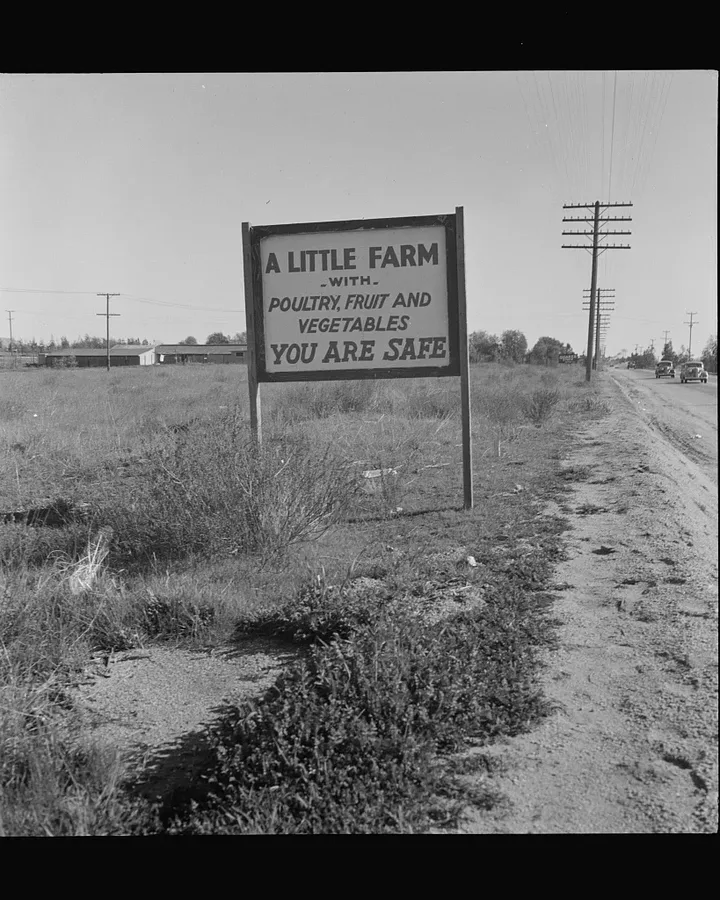
Real estate sign along the highway on which hundreds of drought…
1937
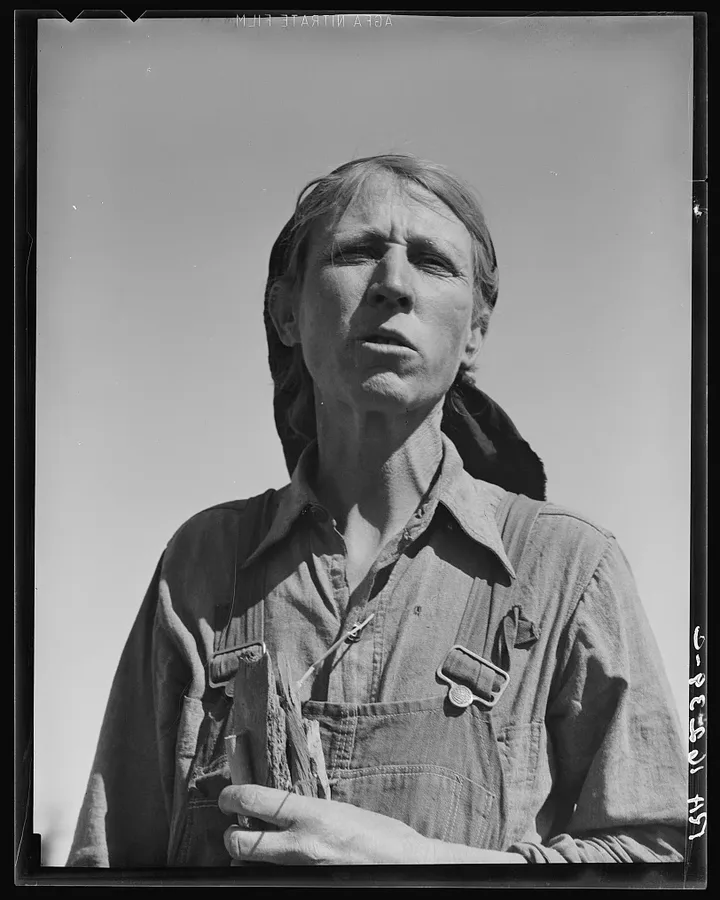
"This is a hard way to serve the Lord." Oklahoma drought refugee,…
1937
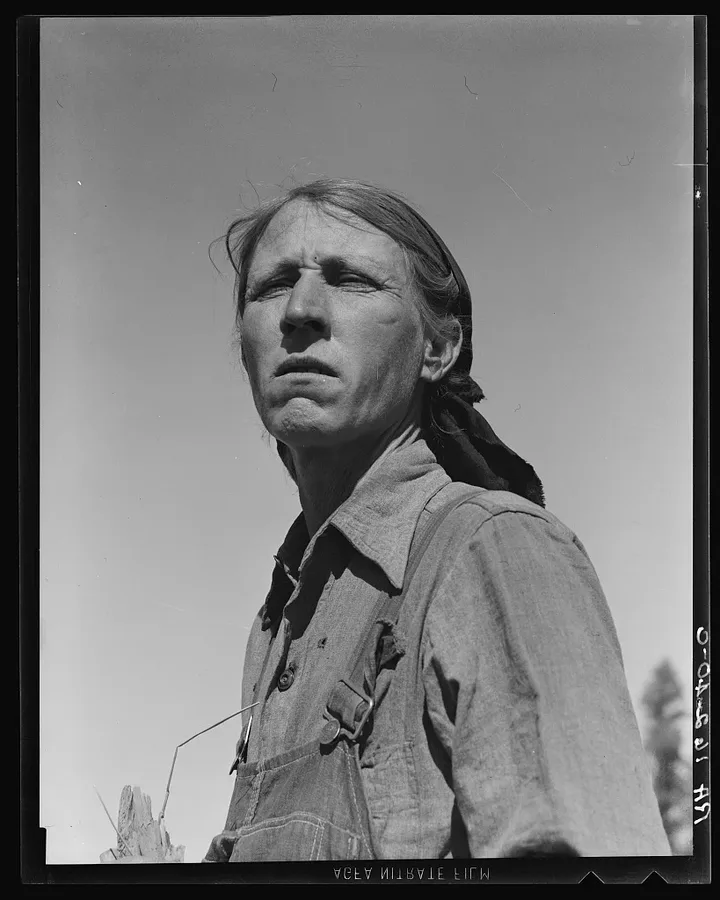
Drought refugee from Oklahoma in California
1937
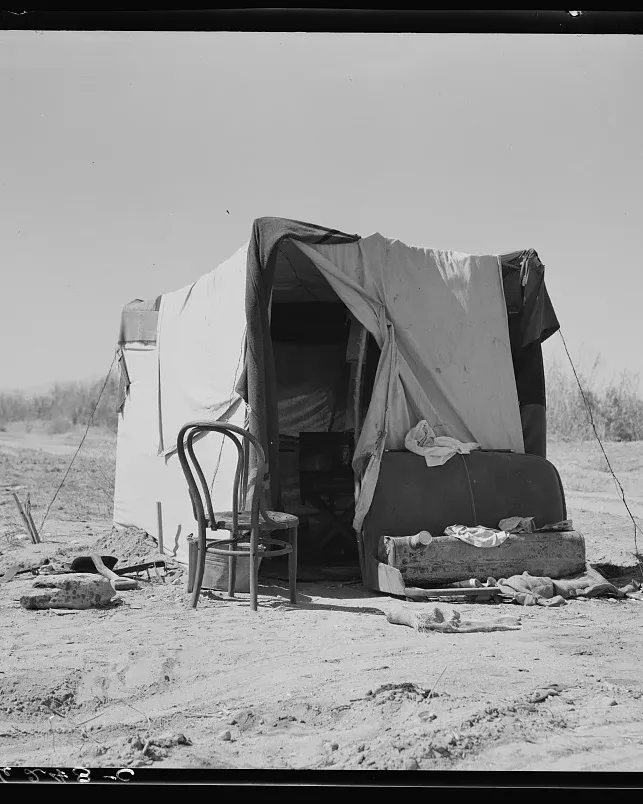
Camp along the roadside. Drought refugees. Imperial County, California
1937
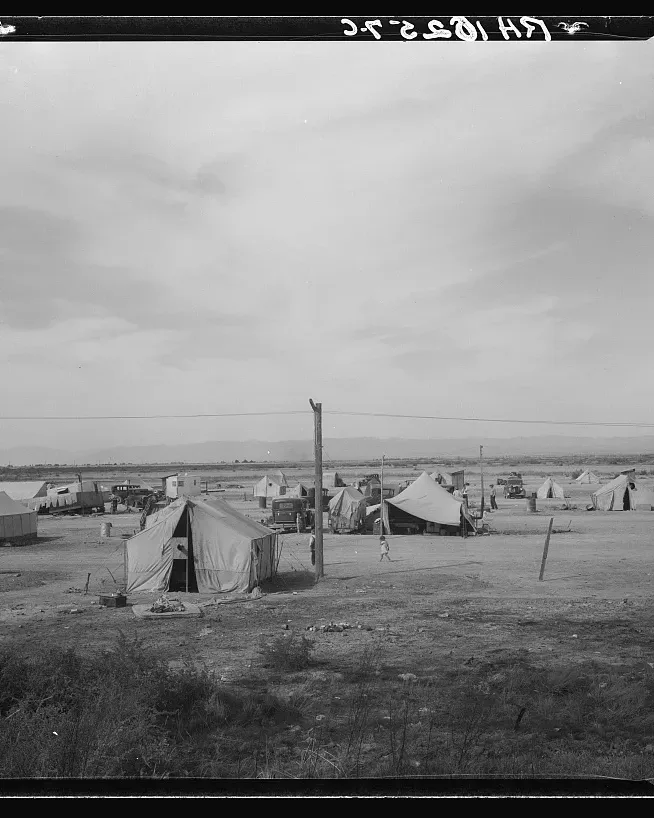
Auto camp north of Calipatria, California. Approximately eighty…
1937
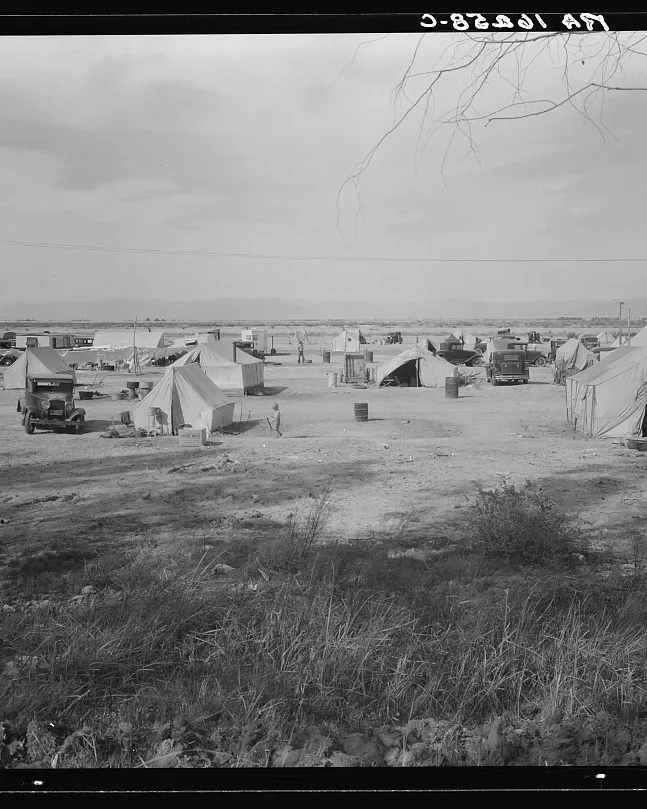
Auto camp north of Calipatria, California. Approximately eighty…
1937
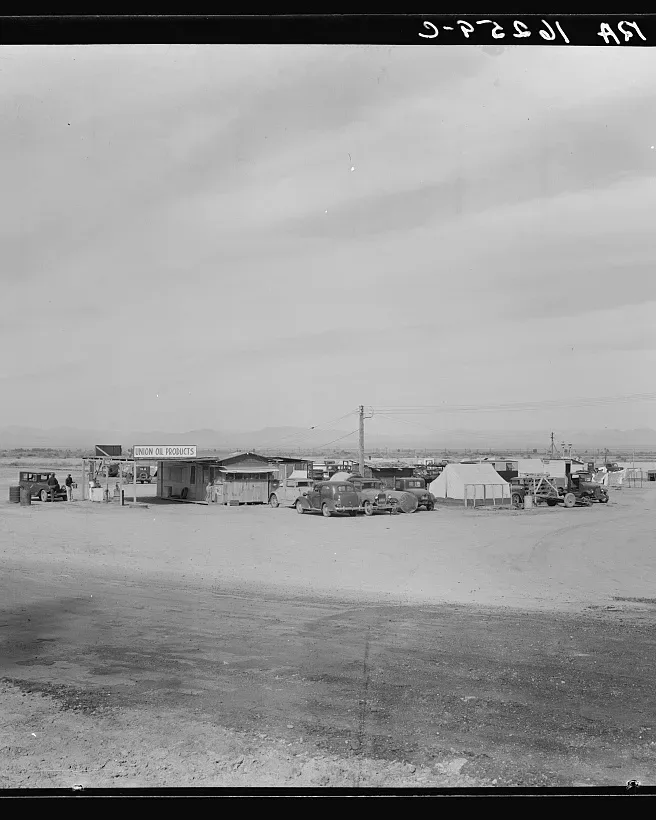
Auto camp north of Calipatria, California. Approximately eighty…
1937
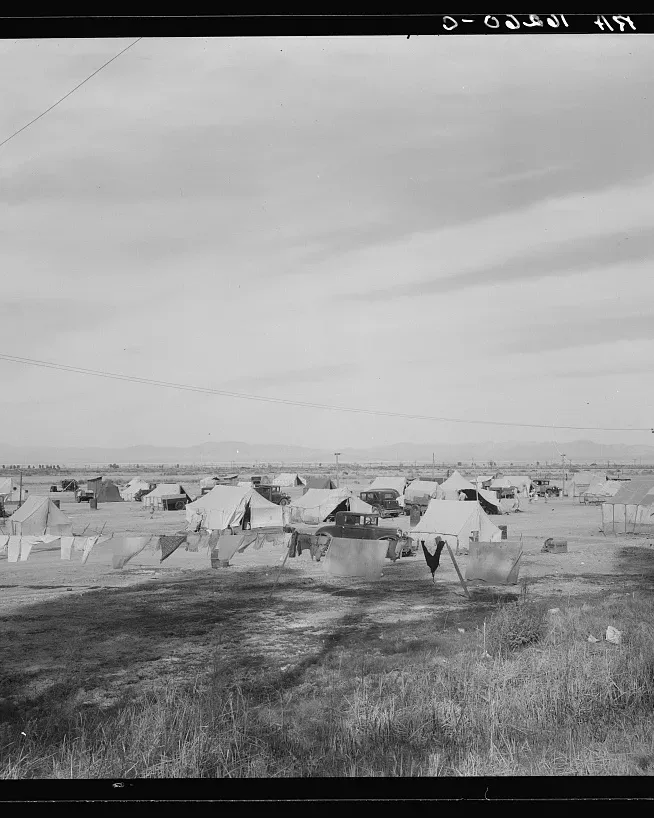
Auto camp north of Calipatria, California. Approximately eighty…
1937
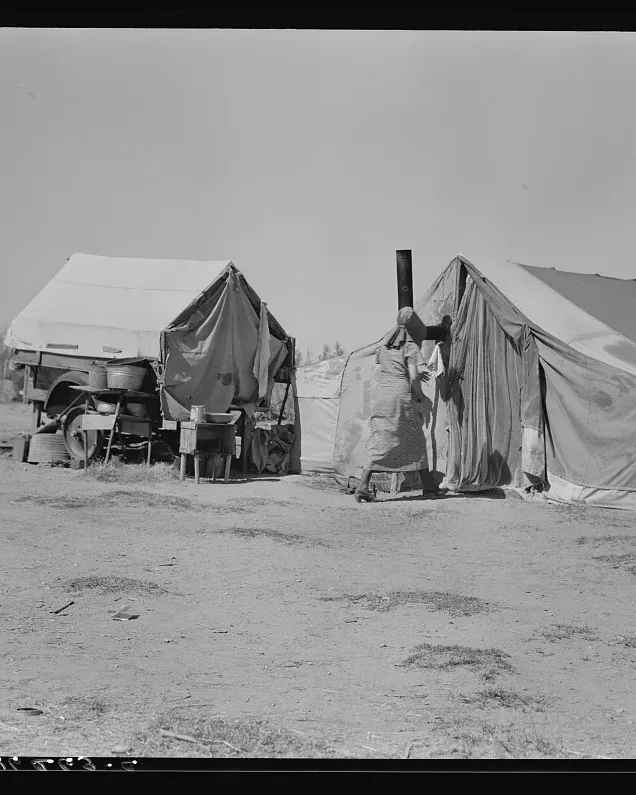
Home of a dust bowl refugee in California. Imperial County
1937
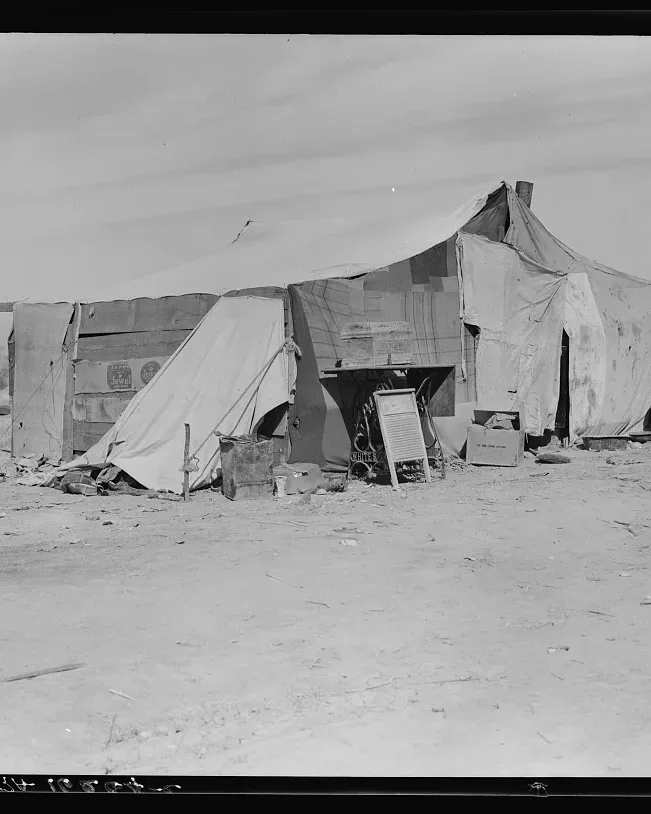
Home of a dust bowl refugee in California. Imperial County
1937
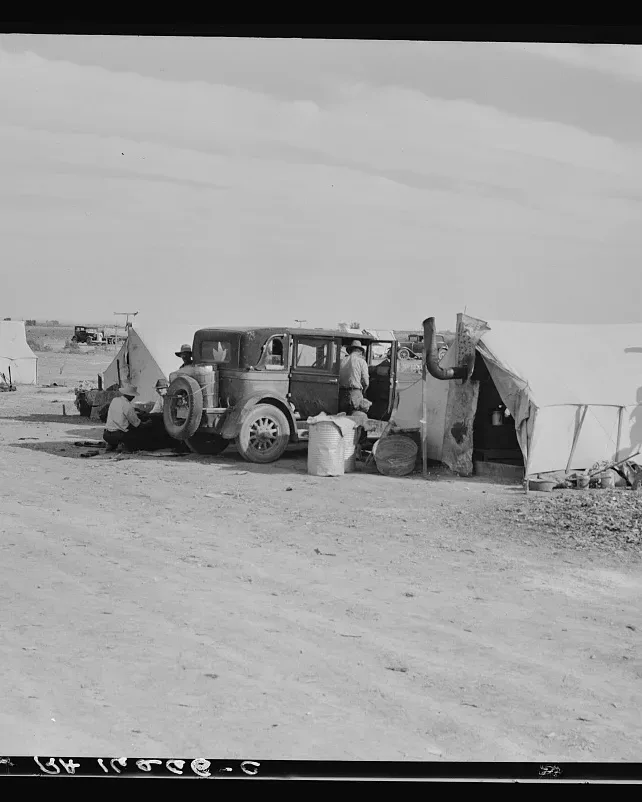
Squatter camp on county road near Calipatria. Forty families from the…
1937
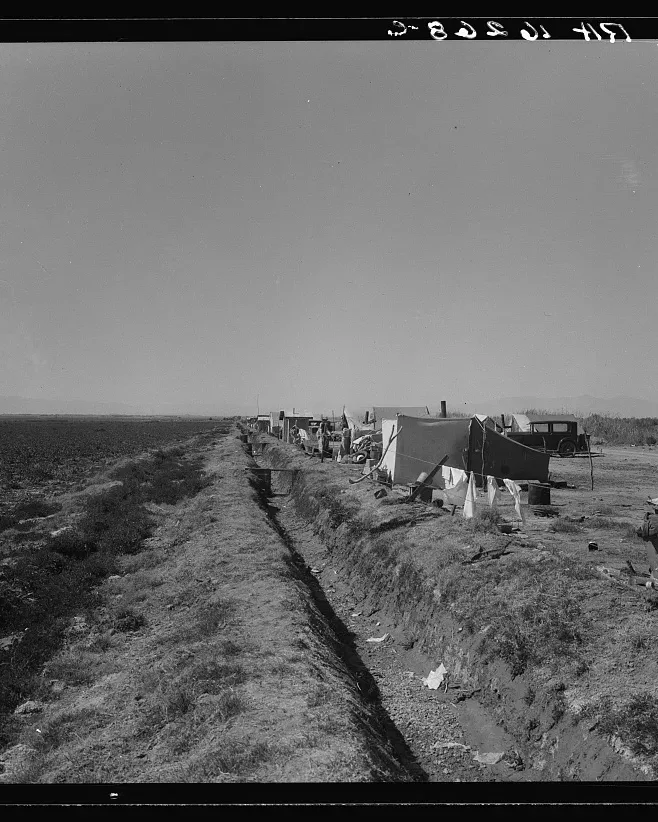
Squatter camp on county road near Calipatria. Forty families from the…
1937
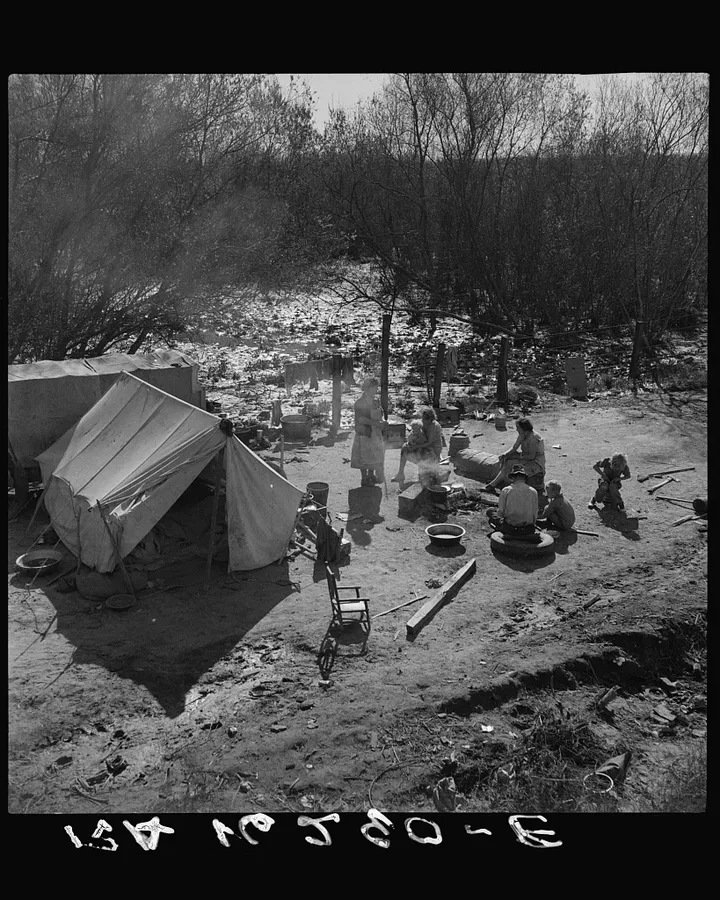
Drought refugees from Chickasaw, Oklahoma. Three families traveling…
1937
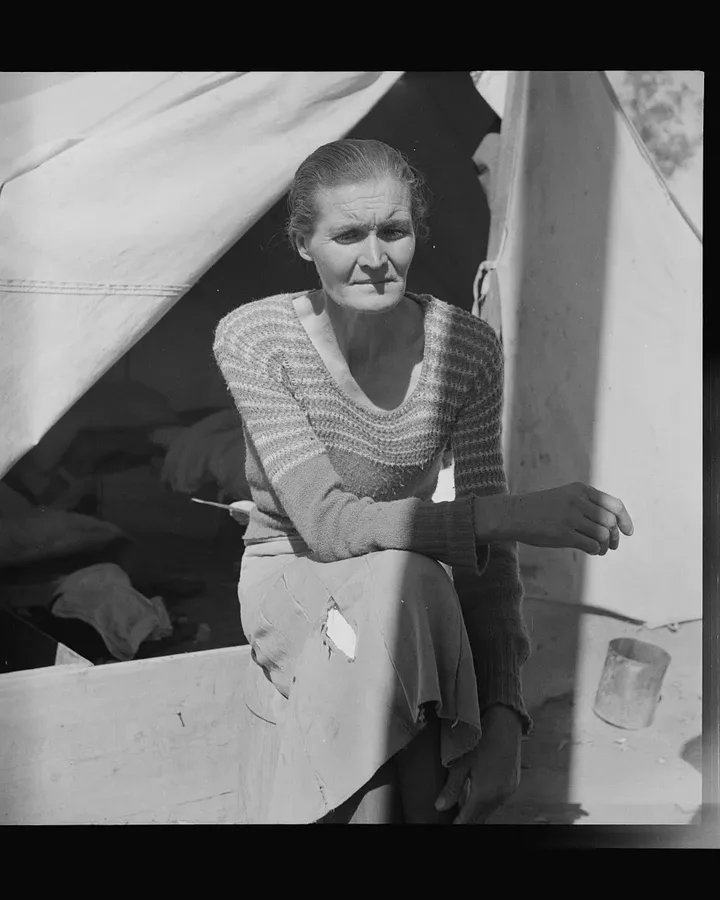
Dust bowl refugee from Chickasaw, Oklahoma. Imperial Valley,…
1937
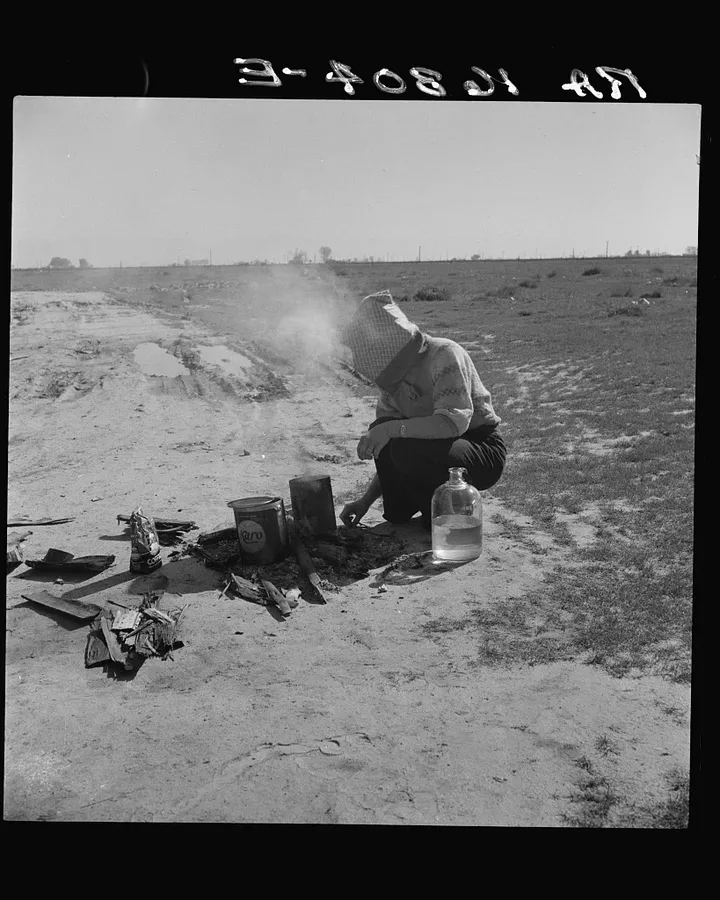
Along a California highway, a dust bowl refugee bound for Oregon
1937
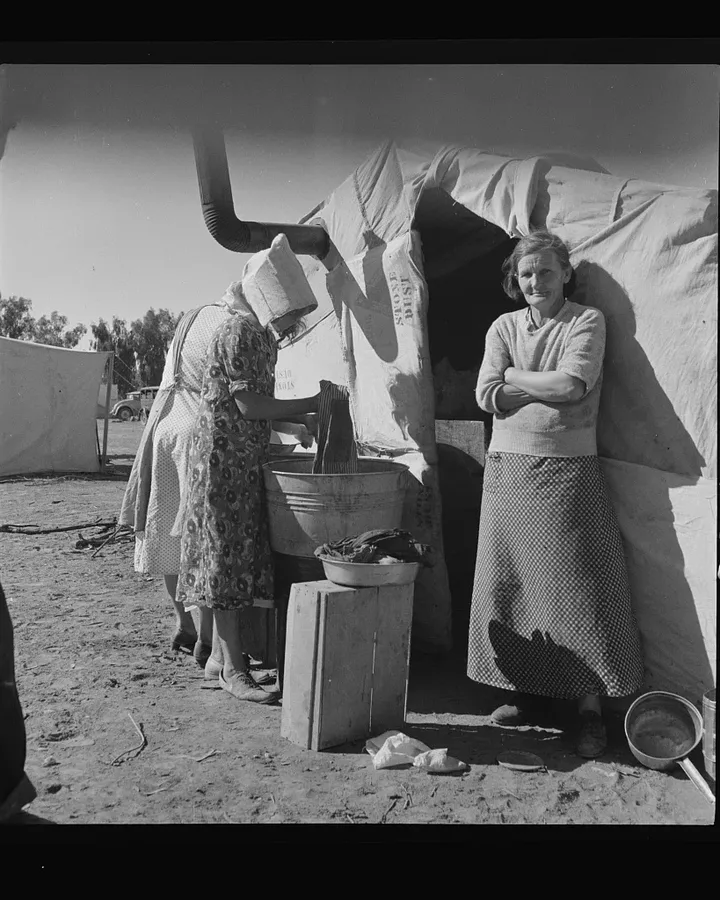
Oklahomans, drought refugees in a southern California squatter's camp
1937
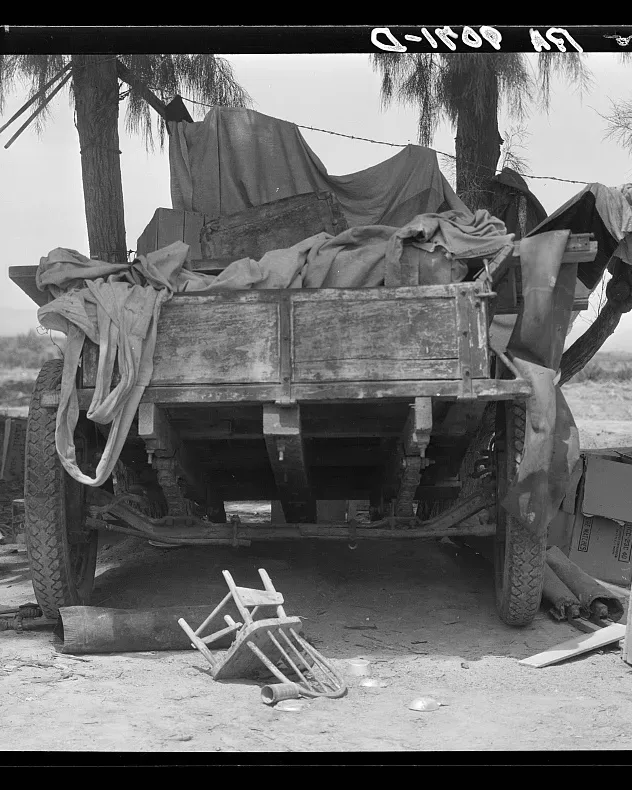
Stranded in southern California. Belongings of Oklahoma drought…
1936
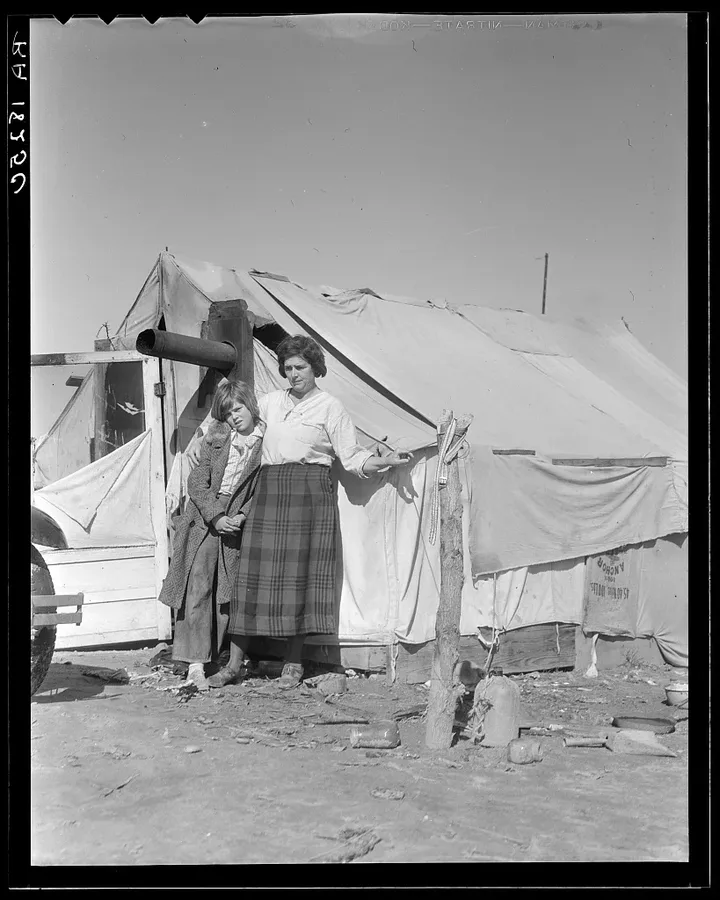
Drought refugees in California
1936
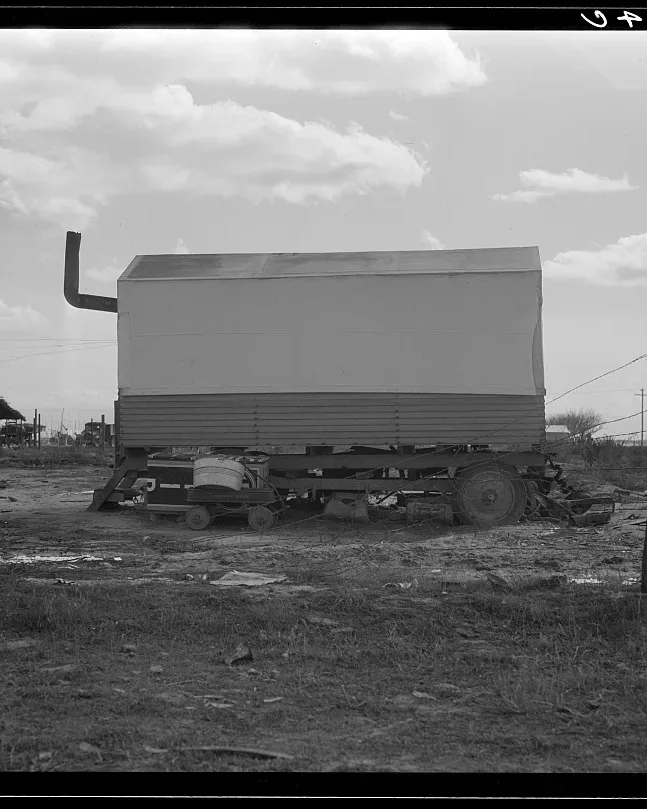
Dust bowl refugees living in camps in California
1936
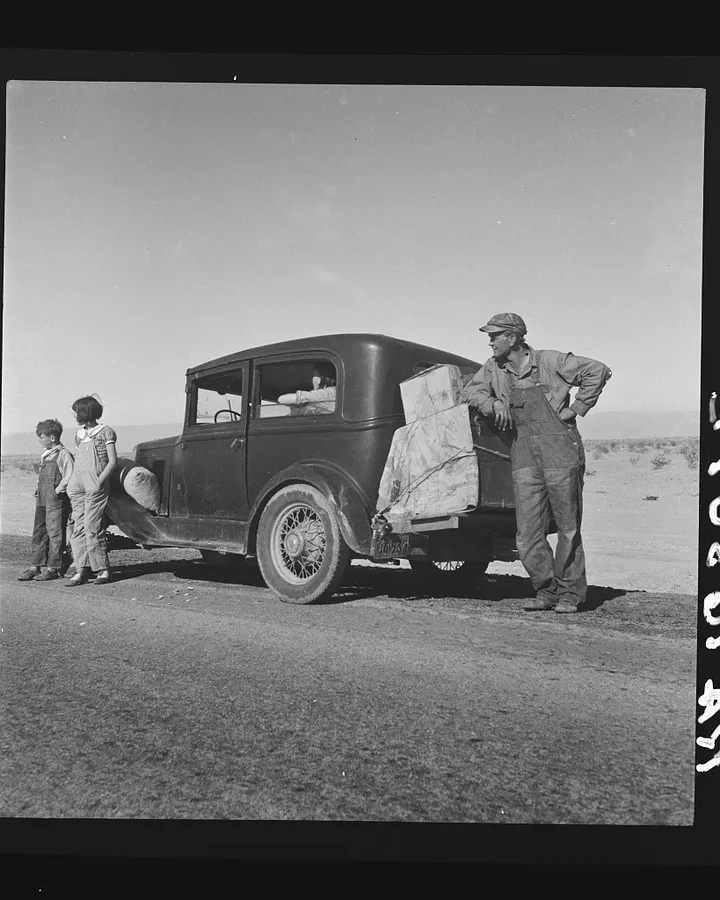
Oklahoma sharecropper entering California stalled on desert with his…
1937
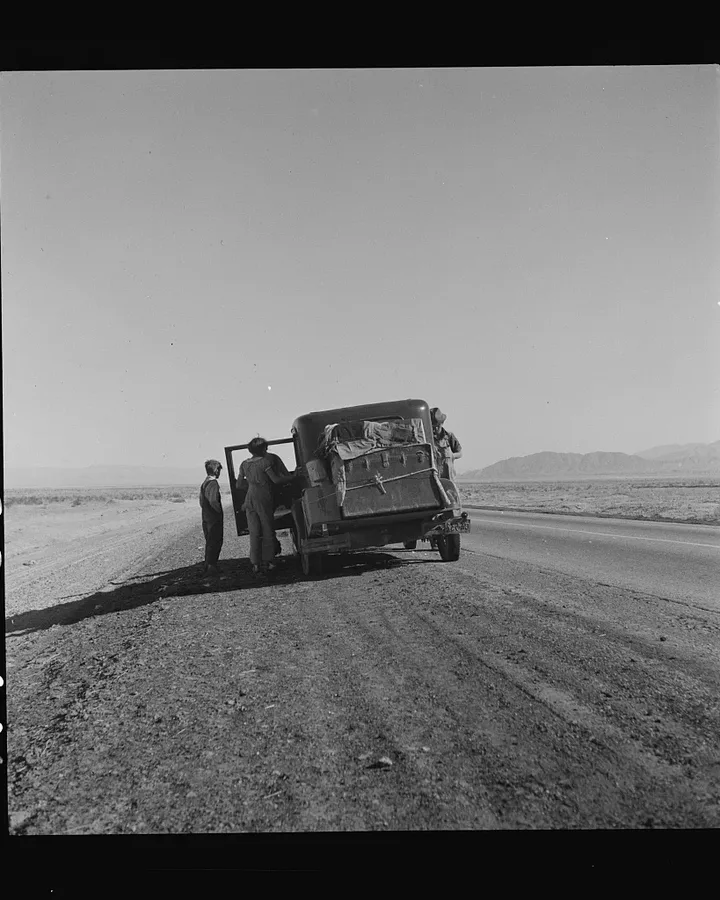
Oklahoma sharecropper entering California stalled on the desert with…
1937
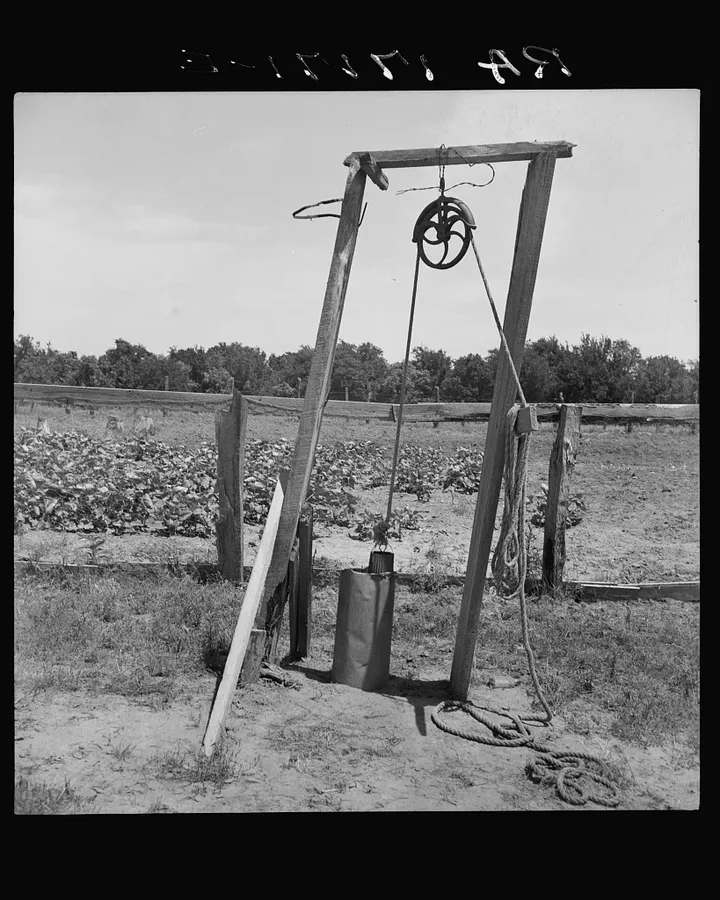
Well, Center County, Oklahoma, belonging to tenant farmer
1937
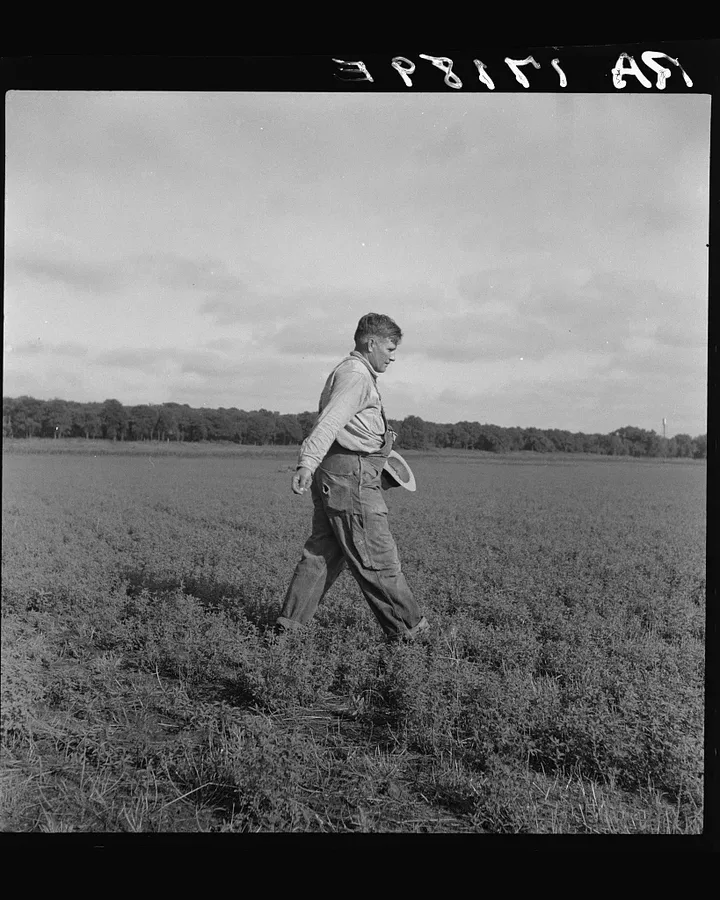
Tenant farmer spreading grasshopper bait in his alfalfa field, five…
1937
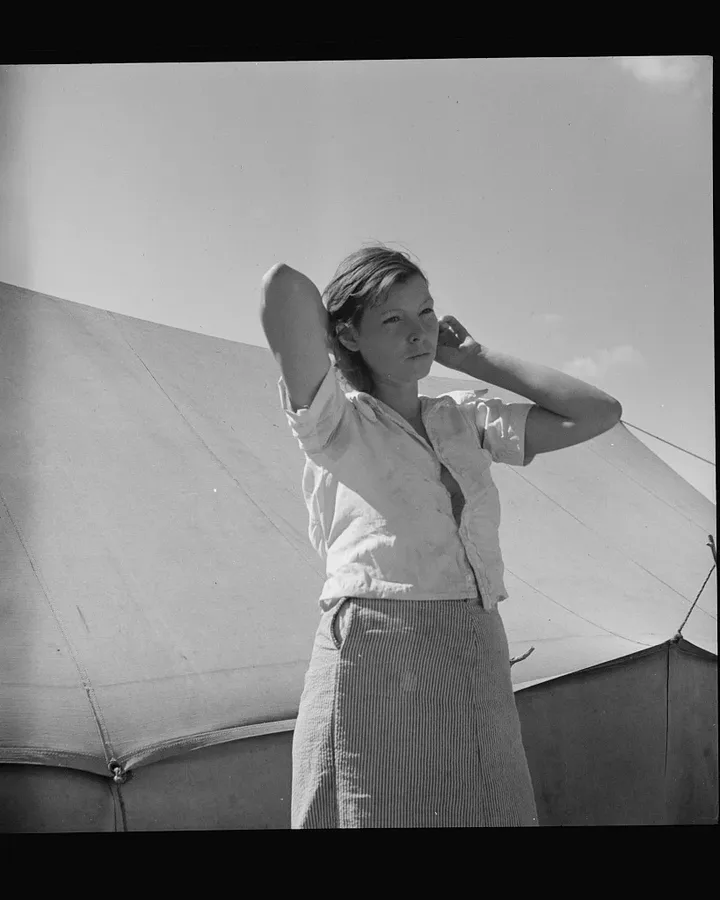
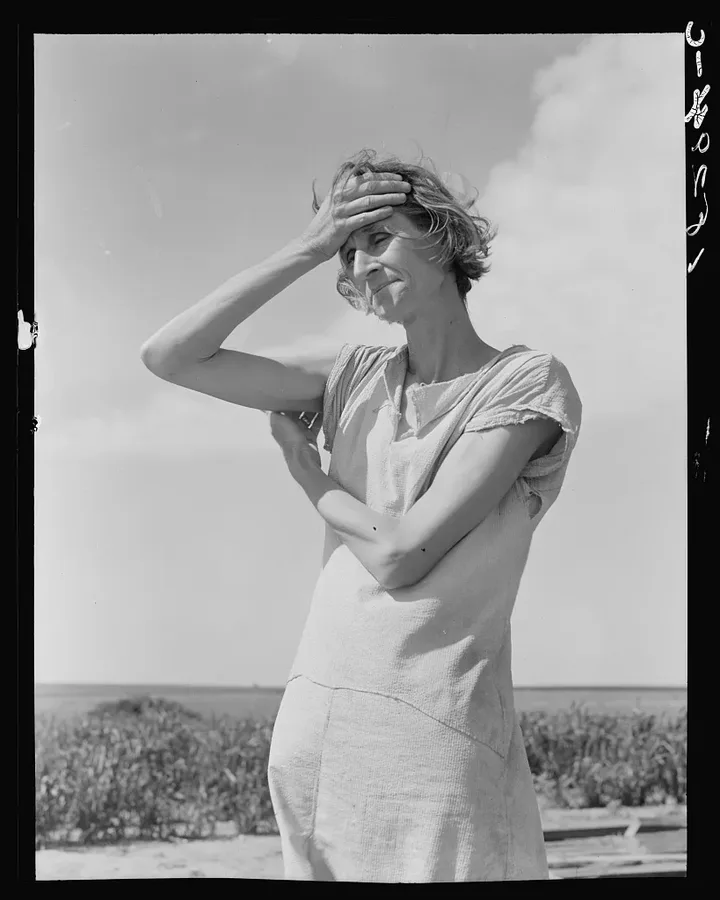
Woman in pea picker's camp. California. "I seen our corn dry up and…
1937
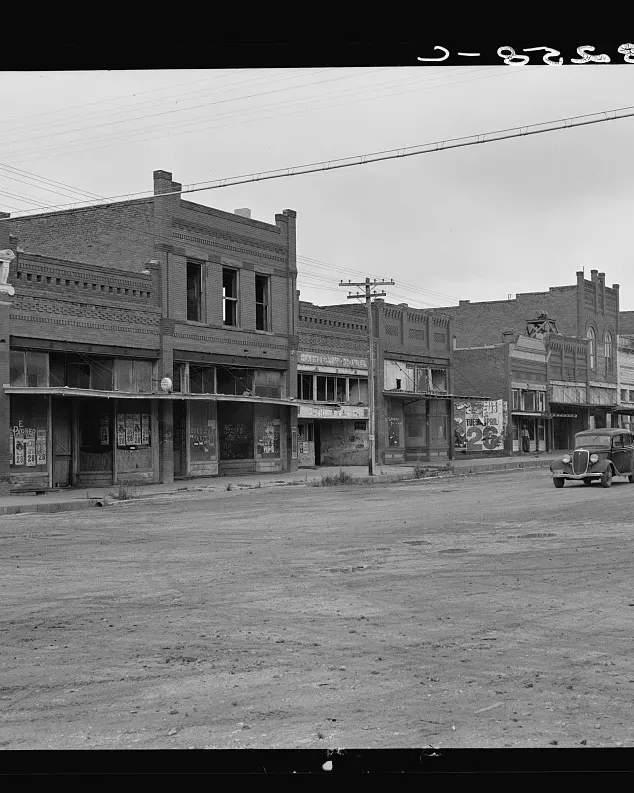
Depression and drought struck towns as well as farms. Laborers,…
1938
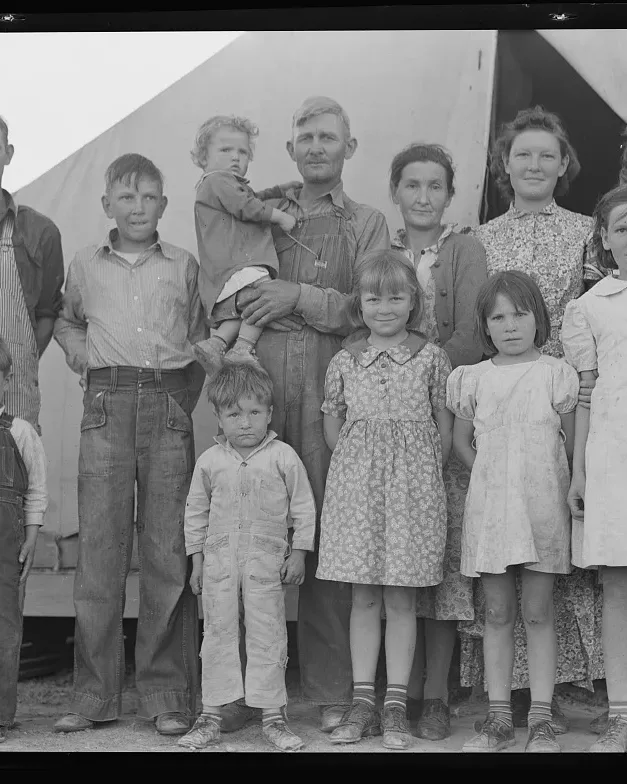
Brawley, Imperial Valley. In Farm Security Administration (FSA)…
1939
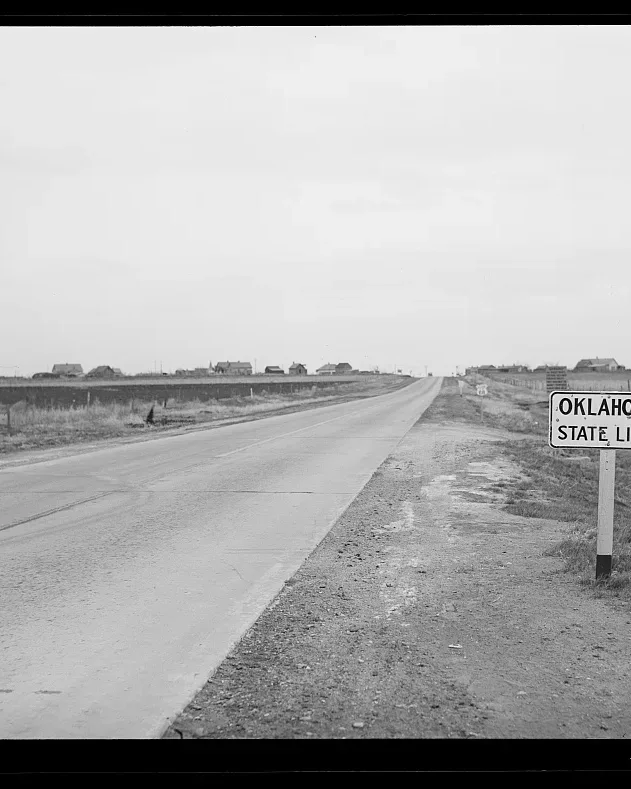
State line. Texas -- Oklahoma
1940
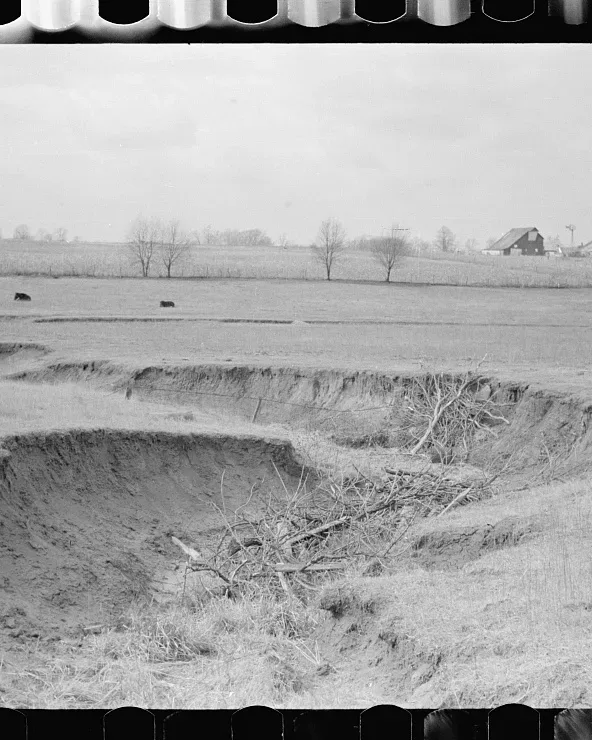
Gully erosion, Parke County, Indiana
1940
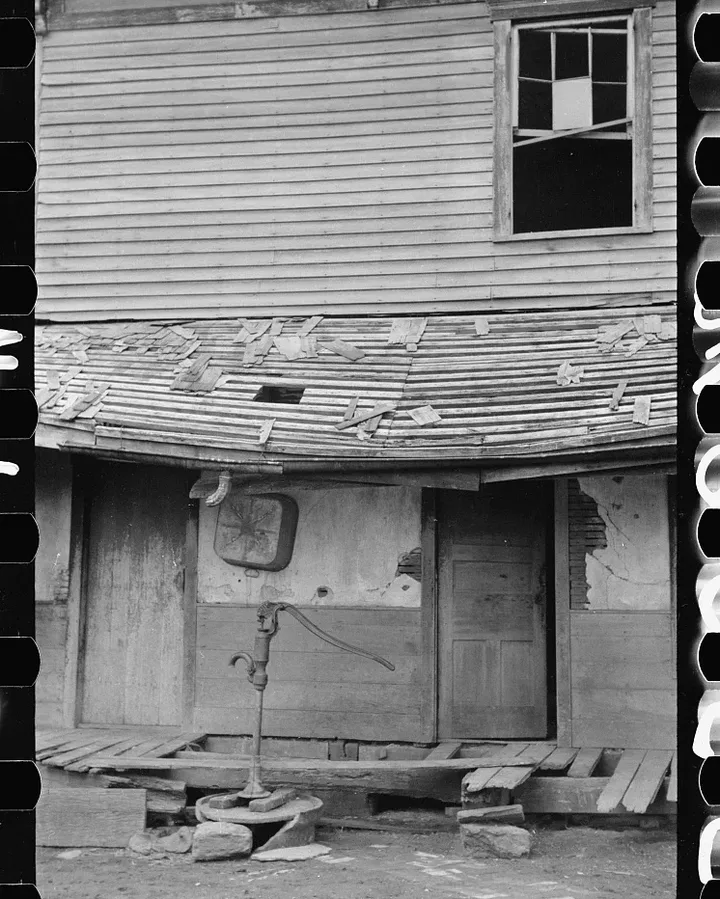
Abandoned farmhouse, Parke County, Indiana
1940
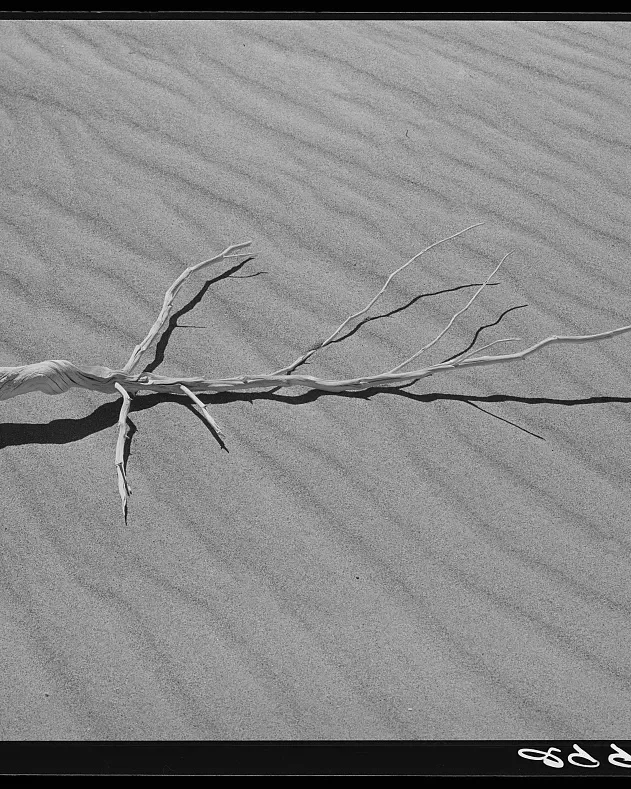
[Untitled photo, possibly related to: Sand dune. Nye County, Nevada]
1940
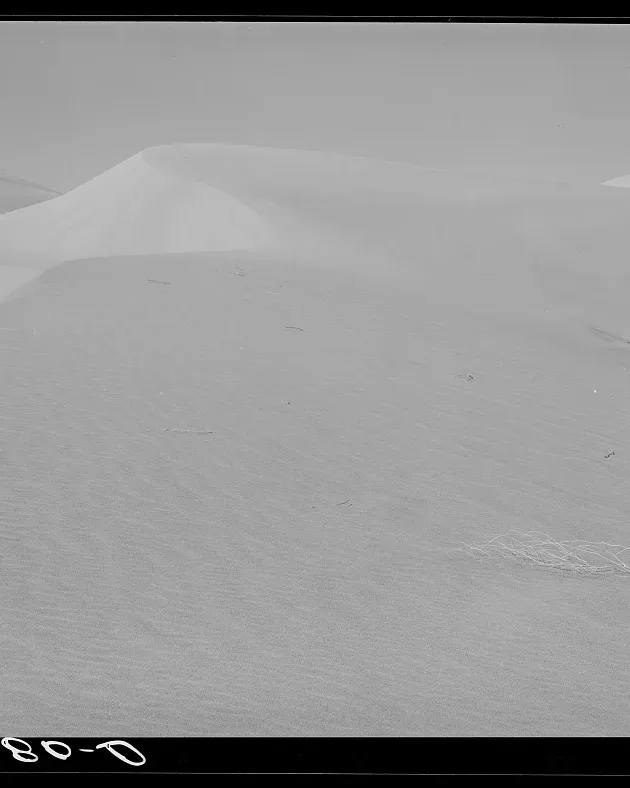
Sand dune. Nye County, Nevada
1940
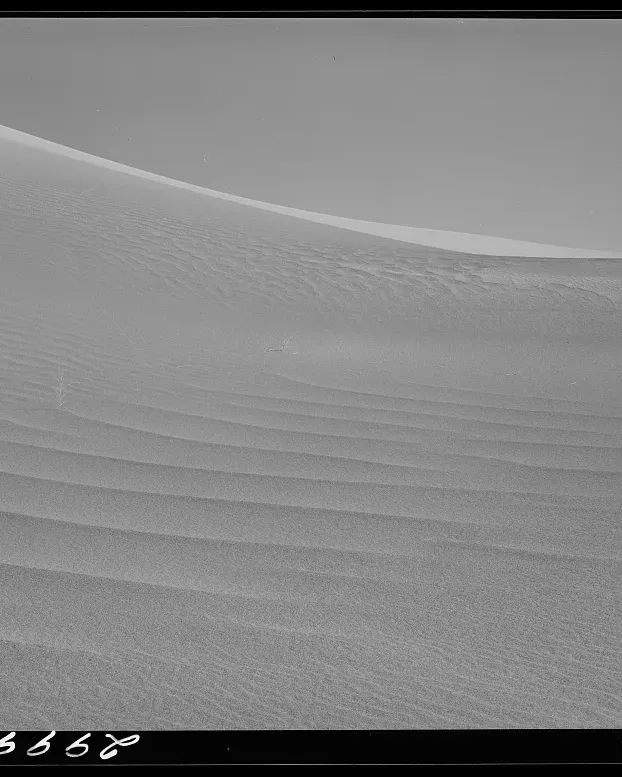
Sand dune. Nye County, Nevada
1940
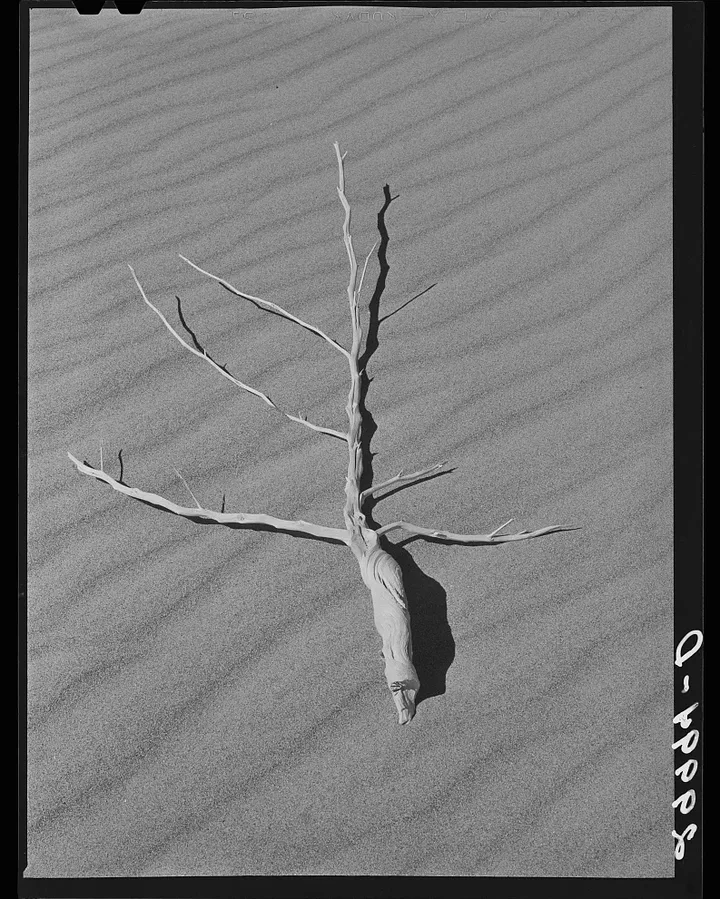
Sagebrush on sand dune. Nye County, Nevada
1940
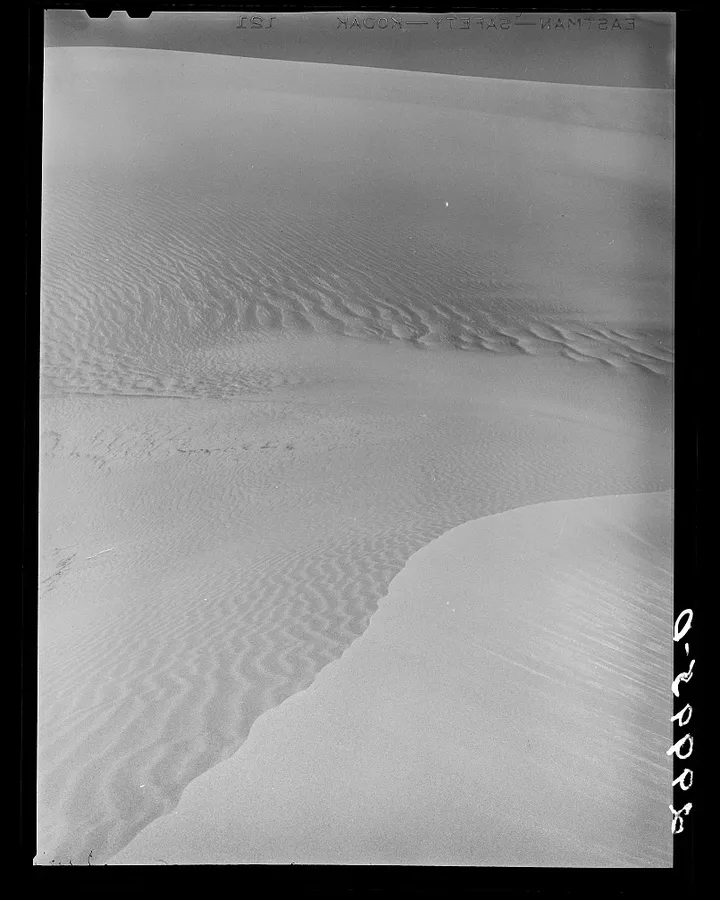
[Untitled photo, possibly related to: Sagebrush on sand dune. Nye…
1940
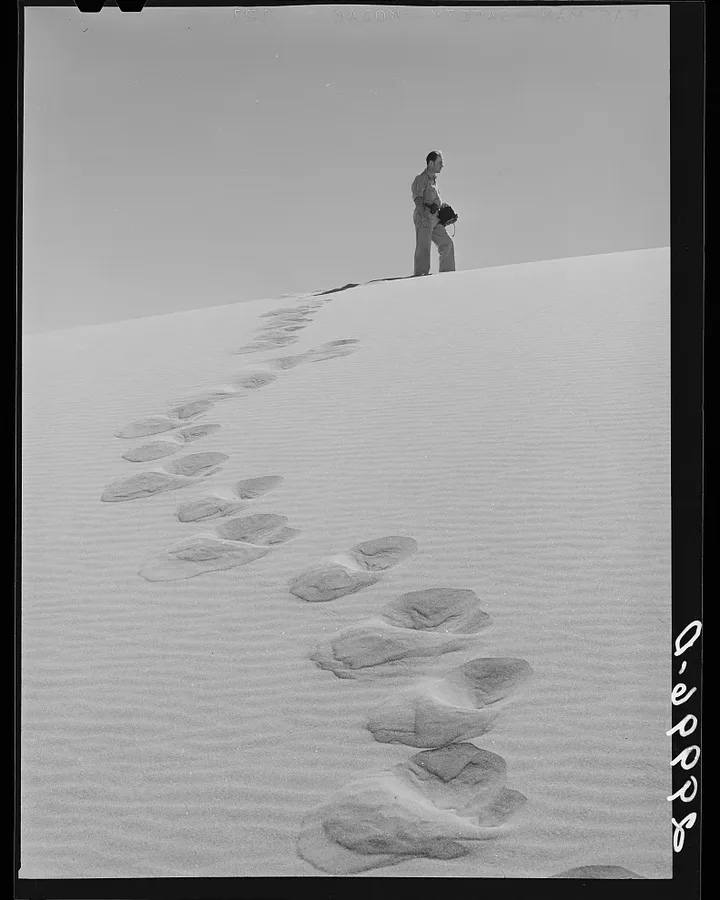
[Untitled photo, possibly related to: Sand dune. Nye County, Nevada…
1940
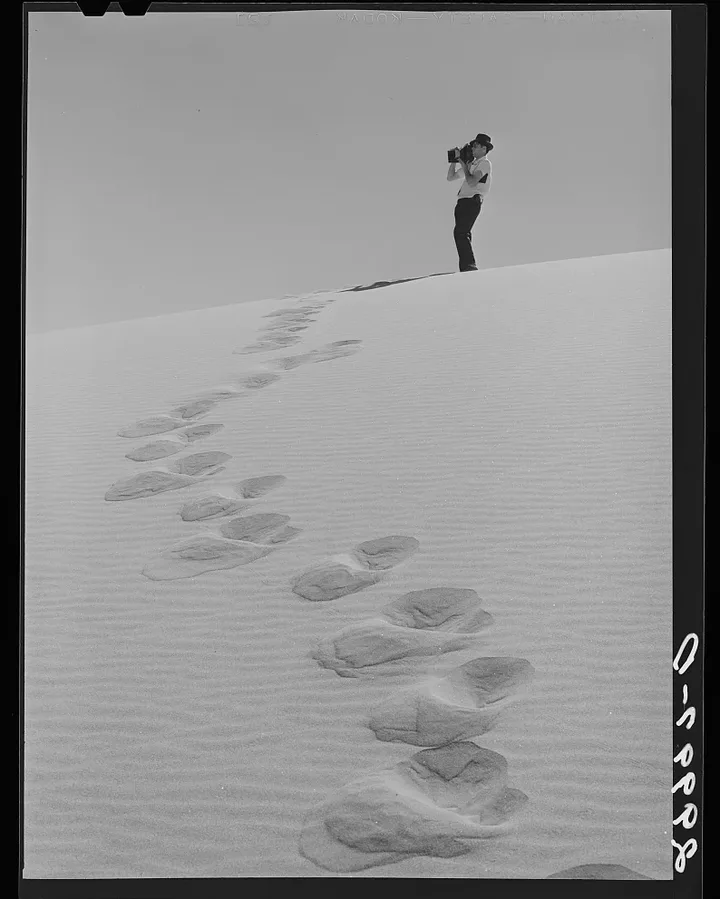
Sand dune. Nye County, Nevada Caption before agency editing:…
1940
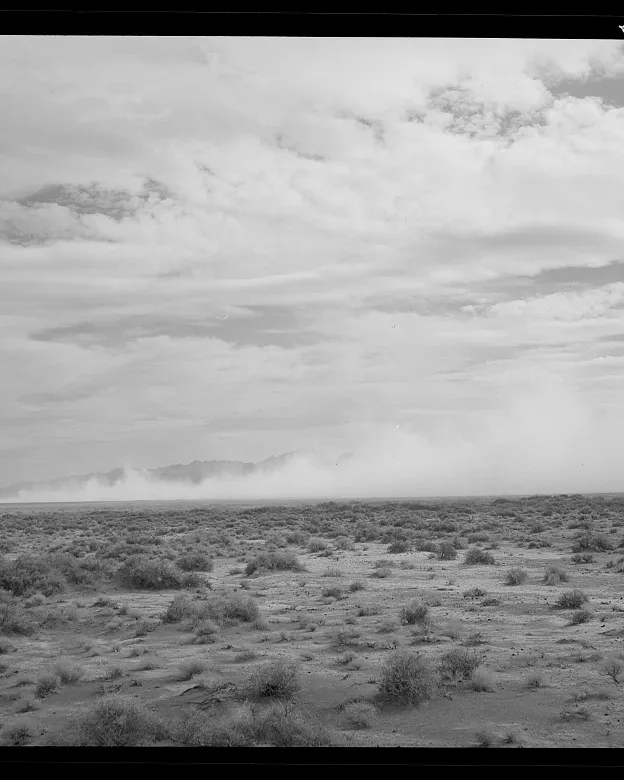
Dust storm on desert. Nye County, Nevada
1940
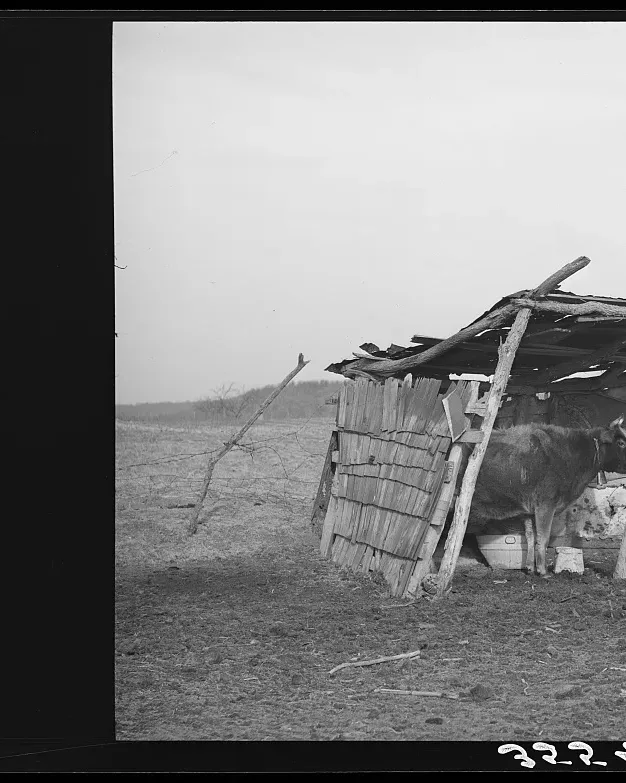
Cowshed on farm of Negro farmer in McIntosh County, Oklahoma
1940
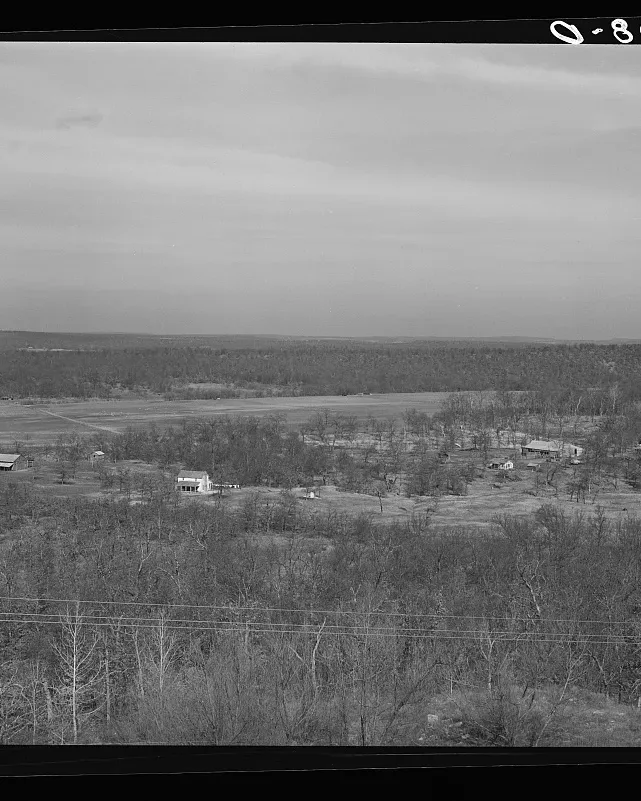
Rich farming land in Canadian River bottom in McIntosh County,…
1940
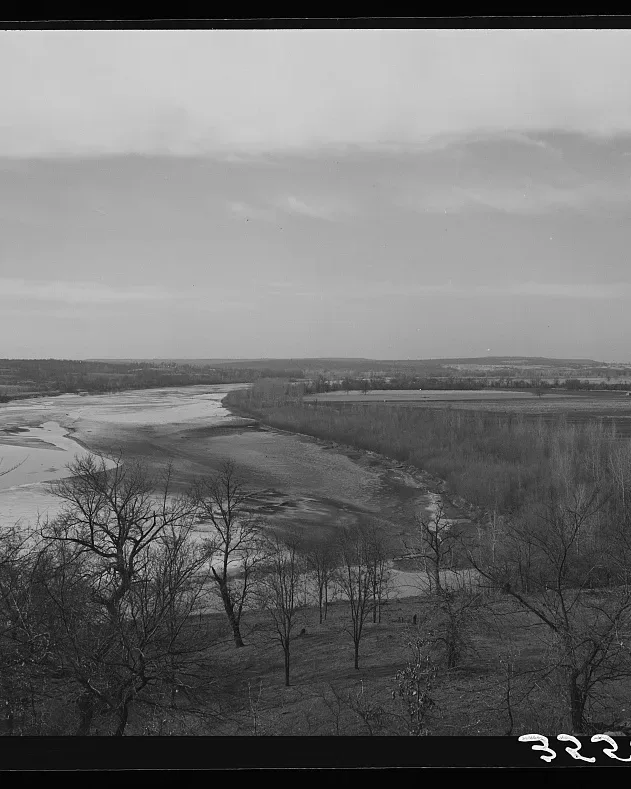
The Canadian River. McIntosh County, Oklahoma
1940
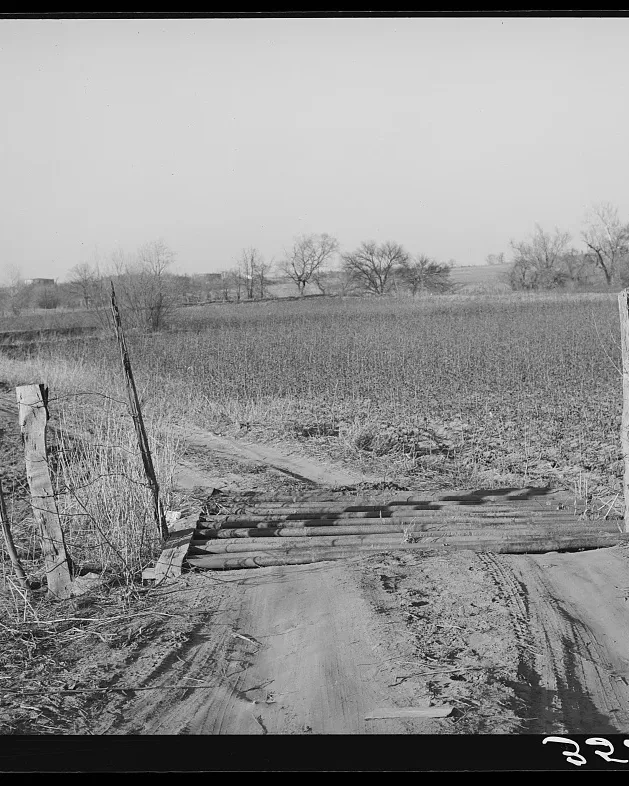
Cattle guard. Creek County, Oklahoma
1940
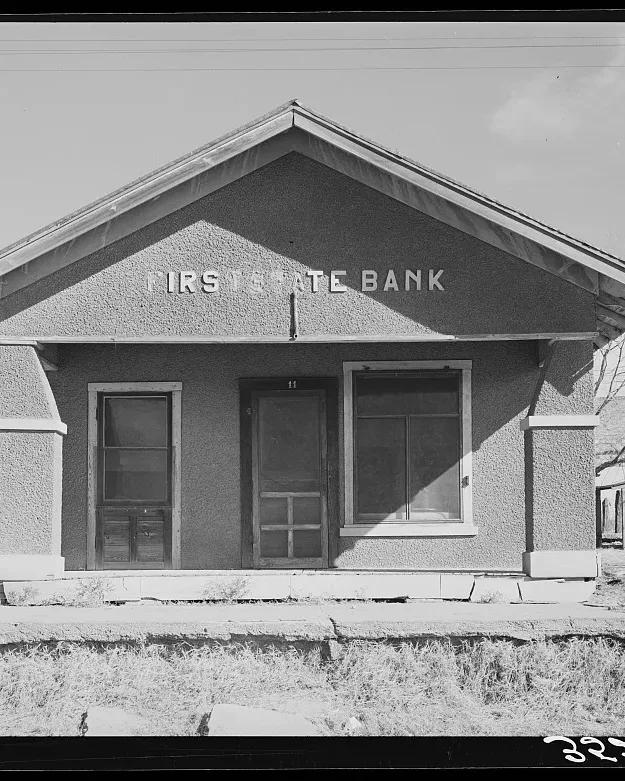
Deserted bank building in the oil ghost town of Slick, Oklahoma
1940